Retail Betting Networks Merge with Digital Jackpot Systems Through Advanced Payment Patterns
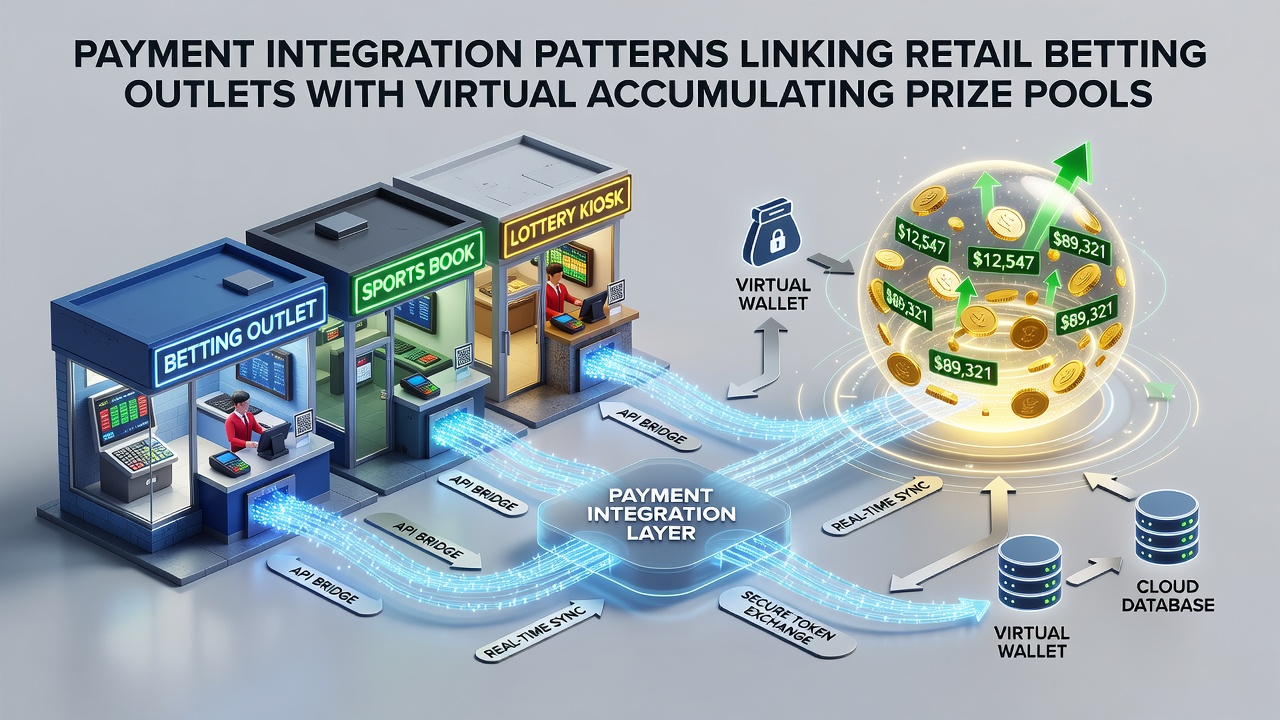
Payment integration patterns have evolved to connect physical betting outlets directly with virtual accumulating prize pools, creating unified transaction flows that move funds between storefront terminals and online jackpot structures in real time. These patterns rely on standardized APIs, encrypted ledgers, and synchronized databases that update prize totals across both environments whenever a retail wager contributes to the pool.
Core Technical Patterns in Use
One established pattern uses centralized clearinghouses that receive transaction data from retail point-of-sale devices, then route portions of each bet into digital prize accumulators managed by licensed operators. Another approach employs distributed ledger technology so that every retail terminal acts as a node confirming contributions to the virtual pool without requiring a single intermediary server. Both methods maintain audit trails that satisfy regulatory reporting requirements while allowing prize values to grow continuously from combined retail and online activity.
Operators in multiple jurisdictions have adopted these frameworks since 2024, with further refinements scheduled for implementation in September 2026 under updated interoperability standards issued by the European Gaming and Betting Association. Those standards specify data formats that let retail systems push wager amounts into virtual pools without exposing player identities beyond necessary compliance checks.
Data Flows and Security Measures
Transaction data travels through encrypted channels that separate payment details from gaming records, reducing exposure during transmission. Retail outlets transmit aggregated contribution totals at set intervals while individual bet records remain stored locally until reconciliation cycles complete. Virtual platforms receive only the net amounts allocated to prize pools, which prevents direct linkage between specific retail customers and online accounts.
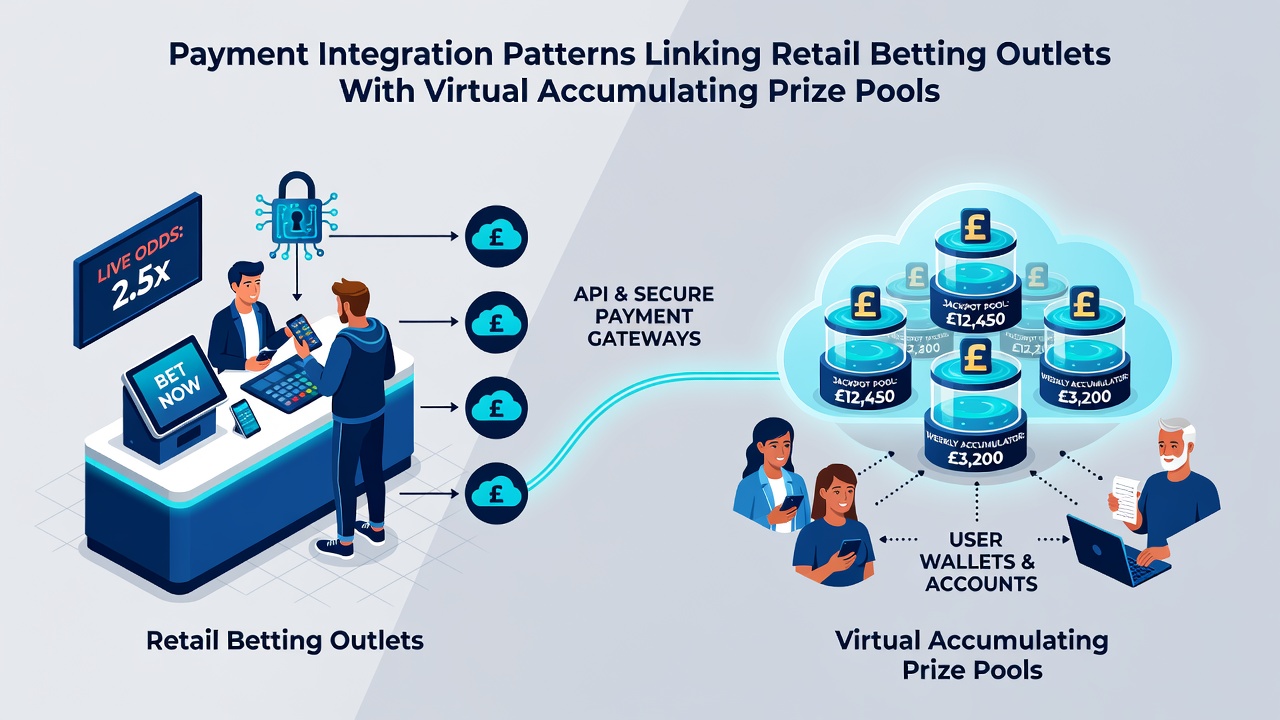
Security protocols include tokenization of payment credentials at the retail device level and multi-factor authentication for any manual overrides of automated transfers. According to reports from the Nevada Gaming Control Board, such layered controls have reduced reconciliation discrepancies by measurable margins in pilot programs running through 2025.
Regulatory Developments Across Regions
Regulatory bodies in Australia and Canada have examined these integration patterns for compliance with anti-money laundering directives. The Australian Communications and Media Authority released guidance in early 2025 that outlines acceptable data-sharing boundaries between retail and virtual environments. Canadian provincial regulators followed with similar frameworks that emphasize real-time monitoring of prize-pool contributions originating from physical locations.
These rules require operators to maintain separate ledgers for retail-generated funds versus purely online wagers, yet both feed into the same accumulating prize totals. Compliance audits scheduled for September 2026 will test whether current technical patterns meet the new cross-border reporting thresholds set by multiple agencies.
Implementation Examples in Operation
Take one network operating across several European markets that links thousands of retail terminals to a shared progressive jackpot hosted on virtual platforms. Each retail bet adds a fixed percentage to the pool through an API call that confirms the contribution within milliseconds. The same network records prize growth on both physical display boards inside shops and online interfaces for remote participants.
Another case involves North American operators using blockchain-based settlement layers that timestamp every retail contribution to virtual pools. This approach allows independent verification of pool integrity without exposing underlying transaction volumes to external parties. Industry reports from the American Gaming Association document steady increases in combined prize sizes following adoption of these methods.
Conclusion
Payment integration patterns continue to standardize the connection between retail betting outlets and virtual accumulating prize pools through defined technical and regulatory channels. Data from ongoing implementations show consistent transaction volumes moving between the two environments under controlled conditions. Future updates planned for September 2026 will further align these systems with evolving compliance expectations across different jurisdictions.