Regulatory Changes Redefine Revenue Pathways in Casino Affiliate Programs and Payment Gateways
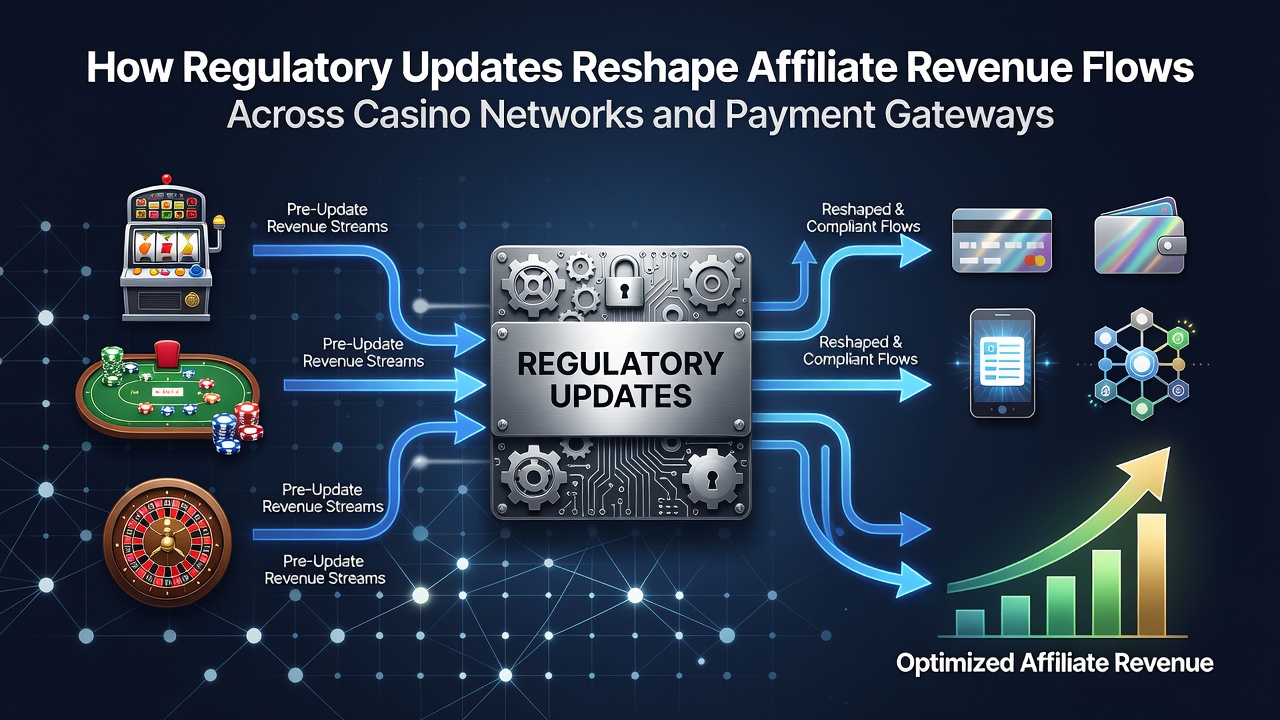
Regulatory updates across multiple jurisdictions continue to alter how affiliate commissions move through casino networks and payment gateways, with data from industry reports showing shifts in fee structures and compliance requirements. Observers note that these changes often stem from efforts to strengthen anti-money laundering protocols and consumer protections, which in turn affect how operators calculate and distribute revenue shares to marketing partners.
Key Regulatory Developments in 2026
In October 2026, several US states and European markets introduced revised guidelines on transaction monitoring that directly influence payment processing timelines. These updates require gateways to implement enhanced verification steps before releasing funds, which delays affiliate payouts in some cases and prompts networks to restructure their commission models. Figures from the American Gaming Association reveal that operators spent an average of 12 percent more on compliance infrastructure during the first three quarters of the year compared to prior periods.
Payment gateways operating in casino ecosystems now face stricter reporting mandates on cross-border transfers, leading many to adjust their fee schedules. Those adjustments ripple outward to affiliate programs, where revenue shares tied to player deposits get recalibrated to account for higher processing costs. Researchers at academic institutions tracking gaming finance have documented cases where networks reduced percentage-based commissions by 2 to 4 points to offset these expenses.
Impact on Affiliate Revenue Models
Affiliate networks linking players to casino platforms experience direct effects when gateways update their integration requirements. New rules in markets such as New Jersey and parts of Canada mandate that operators verify the source of affiliate traffic more rigorously, which adds administrative layers and sometimes caps the volume of referrals eligible for payment. Data indicates that networks with diversified geographic reach maintain steadier flows because they spread risk across jurisdictions with staggered implementation dates.
Take one operator group that expanded its affiliate partnerships into Australian-regulated sites after local authorities updated digital payment standards in mid-2026. The group reported that revenue from those links stabilized once gateways aligned their systems with the new verification protocols, even though initial setup costs rose. Similar patterns appear in reports from trade associations monitoring European markets outside the UK, where operators adapt commission tiers based on real-time compliance data.
Payment Gateway Adaptations and Network Responses
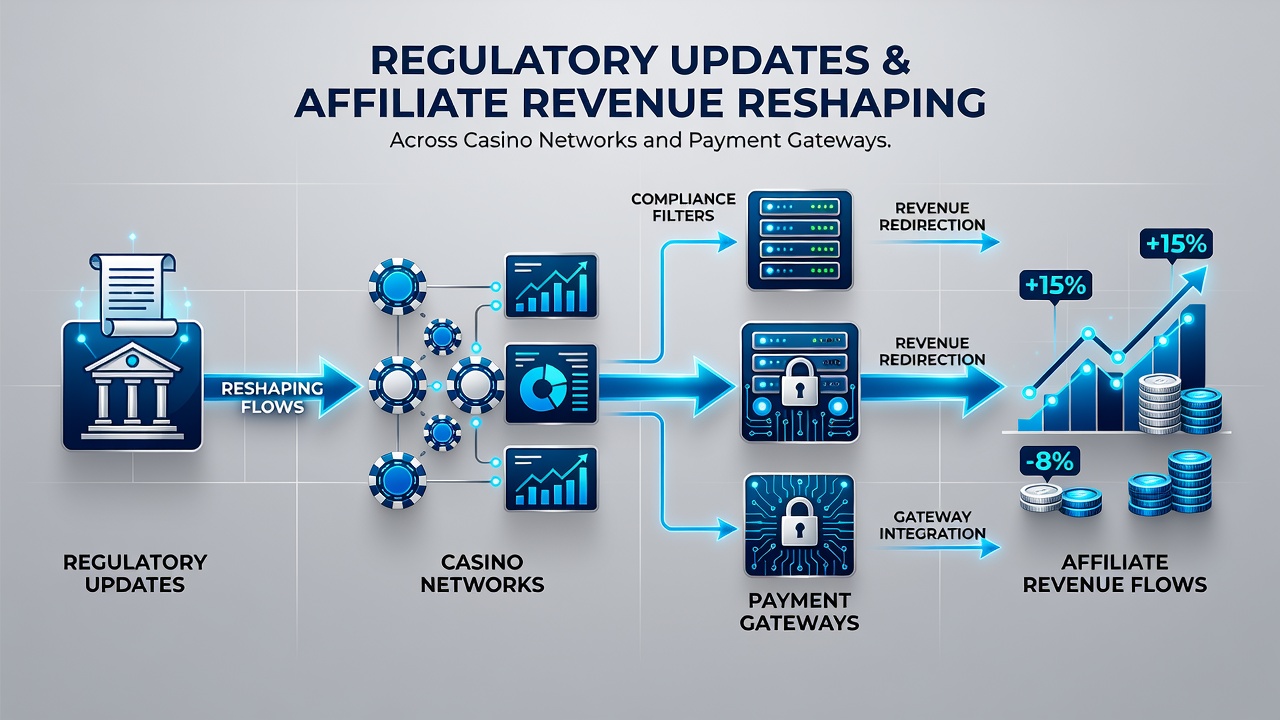
Gateways serving casino clients have accelerated adoption of automated compliance tools that flag high-risk transactions before they reach settlement. This shift reduces chargeback exposure but increases operational overhead, which operators often pass along through modified revenue-sharing agreements. Industry data shows that gateways incorporating real-time monitoring saw a 15 percent drop in disputed affiliate-linked deposits during the latter half of 2026.
Networks respond by building contingency clauses into affiliate contracts that tie payouts to verified compliance milestones. Those clauses protect both parties when regulators issue sudden clarifications, as happened in several Canadian provinces earlier in the year. Observers note that transparent contract language helps sustain long-term partnerships even as rules evolve.
Regional Variations in Revenue Flow Adjustments
Markets with mature regulatory frameworks, such as certain Australian states, demonstrate smoother transitions because operators already maintain detailed audit trails. In contrast, emerging US jurisdictions implementing fresh affiliate disclosure rules in October 2026 required rapid system overhauls that temporarily slowed revenue distribution. A report from the Canadian Gaming Association highlights how regional differences create opportunities for networks that maintain separate compliance teams for each market.
Payment gateways handling multi-jurisdictional traffic often segment their services to isolate regulated flows from less restricted ones. This segmentation allows affiliates to continue earning from lower-scrutiny regions while operators navigate stricter environments. Evidence from university-led studies on gaming economics suggests that such segmentation preserves overall network stability during transition periods.
Future Outlook for Networks and Gateways
Analysts tracking these trends expect continued refinement of affiliate compensation formulas as regulators introduce additional layers of transaction oversight. Networks that invest early in adaptable tracking software appear better positioned to absorb upcoming changes without major disruptions to revenue streams. Those who've studied payment gateway integrations across borders point out that standardized reporting formats could eventually reduce some of the current friction points.
Conclusion
Regulatory updates reshape affiliate revenue flows by introducing new compliance costs and verification requirements that cascade through casino networks and payment gateways. Data from multiple regions shows operators and partners adapting through revised commission structures, segmented market strategies, and enhanced monitoring tools. As jurisdictions continue aligning their standards, networks maintaining flexible agreements and diversified operations sustain steadier revenue movement despite the evolving landscape.